Someone in Berlin, Austin or Melbourne is looking at your retreat. They love the photos. They like the idea of ten days in the Andes. And then they close the tab.
Not because your retreat is not good. Because they still had questions, and your website did not answer them. Writing to a stranger in Peru to ask "is it safe?" feels awkward, so most people simply don't.
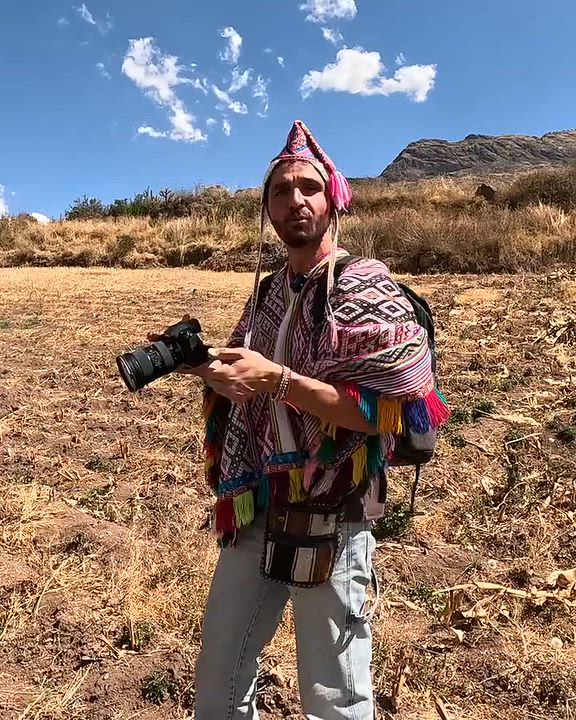
I work in the Sacred Valley. I built the website for Sonqobert, who run immersion journeys here, and I filmed most of their images on site. The same questions come up again and again from travellers. Here they are, and where they belong on your site.
1. "How do I get there from Cusco?"
For a first-time visitor, "Pisac" or "Urubamba" means nothing. They know Cusco, maybe Machu Picchu. Explain the route in one short block:
- Which airport to fly into (Cusco)
- How long the drive takes to your place
- Whether you organise the transfer, and if it's included in the price
- What happens if their flight is delayed
A simple map with Cusco, your venue and Machu Picchu does more than three paragraphs.
2. "What about the altitude?"
This is the number one worry, and most retreat sites ignore it. Don't hide it, address it calmly: the altitude of your venue, how your programme starts gently, and the advice to arrive a day or two early. Add a line telling people to check with their doctor if they have a heart or lung condition.
Being honest here builds more trust than any testimonial. It shows you take care of people.
3. "What is a typical day like?"
People don't book a concept, they book days. Show one real day, hour by hour: breakfast at 8, morning practice, lunch, free afternoon, evening circle. It lets them imagine themselves there, and it quietly answers "will I have time for myself?"
4. "What exactly is included?"
Make a clear two-column list: included and not included. Accommodation, meals, transfers, excursions, entrance fees to sites, tips, travel insurance. Ambiguity here is what creates refund disputes later, so it protects you too.
5. "Is it safe? Who is in charge?"
Travellers want a face. A real photo of you and your team, your background, how long you have lived or worked in the valley, and how you handle emergencies (nearest clinic, first aid training, a local contact).
If your retreat includes ancestral ceremonies, say who leads them, what their lineage or training is, what the preparation looks like and how you screen participants. Serious organisers in the valley do this. Vague promises do the opposite of reassuring.
6. "Who else will be there?"
Group size matters a lot: 8 people and 25 people are two different experiences. Say the maximum group size, the usual age range and languages spoken. If many of your guests travel solo, say it: solo travellers are often the most hesitant.
7. "Where will I sleep?"
Photos of the rooms, the bathrooms, the shared spaces. Real ones, not stock pictures of another lodge. Tell them if rooms are shared or private, if there is hot water and Wi-Fi, how cold the nights get in July.
8. "How do I pay, and what if I cancel?"
Deposit amount, balance due date, accepted payment methods (card, PayPal, Wise, bank transfer) and your cancellation policy in plain words. If a foreigner has to send a bank transfer to a Peruvian account without knowing you, many will walk away. A card payment through Stripe or a booking tool removes that friction.
9. "What do I pack?"
A packing list seems minor, but it's a page people save, come back to and send to friends. Layers for cold mornings, sun protection for the altitude, walking shoes, a water bottle. It also gives Google a page that answers a real search.
Where to put all of this
You don't need nine pages. A good structure for a retreat site in the Sacred Valley:
- Home: the promise, the dates, one strong video, one button.
- The retreat: programme, typical day, the team, ceremonies if any.
- Practical info: getting there, altitude, accommodation, packing list, included / not included.
- Book: prices, deposit, cancellation policy, booking form.
- FAQ: everything else, short answers.
Each answer you give on the site is one email you won't have to write, and one hesitation removed.
Bonus: say it in their language
Most of your guests search in English. But a good share of them come from Latin America, France or Germany. On the Sonqobert site we chose three languages (Spanish, French, English) because that's where their travellers come from. Look at where your enquiries come from before choosing.
In short
A retreat website does not sell with pretty words. It sells by removing doubt. Answer the nine questions above clearly, with real photos and a real face, and you'll receive fewer "just a quick question" messages and more bookings.
If you run a retreat in Pisac, Urubamba or anywhere in the valley and want a site that does this work for you, I work right here in the valley. Let's talk, or have a look at my pricing.